
We specialize in high-risk pregnancy.
We work to minimize complications and help you achieve the healthiest pregnancy possible.
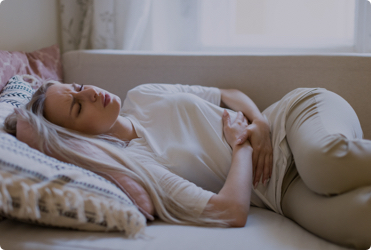
Pelvic Pain / Inflammation
Pelvic pain is one of those conditions that can quietly take over your daily life. It affects personal relationships, drains your energy, and can signal underlying conditions that deserve proper medical attention.
At Rosh Maternal & Fetal Medicine, our physicians take pelvic pain seriously. Rather than offering temporary relief, we investigate what is driving your discomfort and develop a treatment plan based on the underlying cause.
Some of the conditions behind pelvic pain can lead to complications like infertility if left unaddressed. Call our Midtown East office or book an appointment online to get started.
Pelvic Pain and Inflammation: Understanding the Condition
Pelvic pain refers to any pain felt in the region below your belly button and between your hips. It can present as a sharp or severe sensation, a dull, persistent ache, or something closer to cramping or pressure.
Some patients experience pain that arrives suddenly, while others deal with chronic discomfort that comes and goes over months or years. Pain may spread across the entire pelvic area or concentrate in one specific spot.
The complexity of pelvic pain lies in how many different conditions can produce it, and how often multiple contributing factors exist at the same time. Accurate diagnosis requires a thorough evaluation, and that is exactly the approach our team takes.
Recognizing the Symptoms of Pelvic Pain
Symptoms vary widely depending on the underlying cause, but common presentations our physicians evaluate include:
If any of these symptoms feel familiar, an evaluation with one of our physicians can provide the answers you have been looking for.
What Causes Pelvic Pain?
Pelvic pain rarely comes from a single straightforward cause. Many patients present with multiple overlapping conditions that each contribute to their discomfort. The most common causes our team diagnoses and treats include the following.
Conditions We Treat
Our team evaluates and treats a wide range of gynecologic conditions linked to pelvic pain and inflammation, including:
If your symptoms point to a less common cause, our diagnostic process continues until we identify the underlying issue.
Treatment Options for Pelvic Pain
Treatment depends entirely on what is driving the pain. After a thorough evaluation, our physicians may recommend one or more of the following approaches.
Meet Our Physicians
Pelvic pain diagnosis and treatment require a high level of gynecologic expertise, and our team brings exactly that.
Dr. Daniel Roshan, MD, FACOG, FACS, leads our practice and specializes in maternal-fetal medicine. His credentials highlight fellowship recognition from two of the most respected medical organizations in the United States.
Our board-certified OB/GYN physicians serve patients across our New York locations, including Kips Bay, Lenox Hill, Midtown, Brooklyn, and Great Neck. Each doctor reviews your full health history before evaluating pelvic pain.
Struggling with Unexplained Infertility?
Conditions like endometriosis and pelvic inflammatory disease are among the leading contributors to infertility in women. Our team specializes in identifying and treating the gynecologic causes that stand between you and a healthy pregnancy.
Credentials Behind Your Care
Diagnosing and treating the conditions that cause pelvic pain requires a level of gynecologic expertise that goes well beyond general practice. Our team brings recognized professional standing to every patient evaluation.
All of our physicians hold board certification from the American Board of Obstetrics and Gynecology (ABOG). Among our team, you will also find physicians recognized with fellowship designations from two of the most prominent medical bodies in the United States:
Dr. Daniel Roshan holds the full MD, FACOG, FACS credential set, a distinction that highlights peer-recognized excellence across both obstetric and surgical disciplines. Patients seek care at our practice from across the country, trusting a team whose qualifications speak directly to the complexity of conditions we treat every day.
What Our Patients Say
The experiences of our patients reflect the kind of care we aim to deliver at every single visit.
“I had been dealing with pelvic pain for years without anyone really digging into what was causing it. The team at Rosh MFM took my concerns seriously from day one and finally gave me real answers. I cannot recommend them enough.” — Alicia D.
“My physician spent more time with me in one visit than other doctors had in years. She explained everything thoroughly, made me feel comfortable asking questions, and followed up after my procedure to check in. That level of care is rare.” — Sandra K.
Living with pelvic pain does not have to be your norm. At Rosh MFM, our team combines diagnostic precision with genuine, attentive care to get to the bottom of what is causing your discomfort. Reach out today and book an appointment at any of our New York locations.
Pelvic pain generally refers to any pain in the pelvic region, which is below your belly button and between your hips. You may have pain that’s severe, a dull ache, or feels more like cramping or pressure.
Pelvic pain can occur suddenly, become a constant, chronic pain, or come and go. It may affect the entire pelvic area or target one spot. In other words, pelvic pain is a complex condition that arises from many causes.
Pelvic pain may develop from one condition, or you may have several issues that all contribute to the pain. Some of the common causes of pelvic pain in women are:
Endometriosis
Tissues that form the lining of your uterus, called the endometrium, sometimes grow outside of the uterus. They may be found on the outside of the uterus or on the ovaries, fallopian tubes, and other structures in the pelvic cavity. These tissues continue to thicken, break down and bleed every month, just like they do inside your uterus during your menstrual cycle. This discharge, however, doesn’t leave through the vagina. This blood stays in your abdomen, causing painful scar tissue and cysts.
Pelvic inflammatory disease (PID)
PID is an infection of your reproductive organs that’s often caused by bacteria spread during intercourse. In addition to pelvic pain, PID may lead to infertility as inflammation eventually causes scar tissue.
Inflammation
Pelvic inflammatory disease isn’t the only source of pain-causing inflammation. An ongoing infection such as salpingitis — inflammation of the fallopian tubes — also leads to pelvic pain.
Uterine fibroids
When they’re large, these noncancerous growths in the uterine wall cause pain and a feeling of pressure.
Ovarian cysts
Cysts are fluid-filled sacs on the inside or outside of one or both ovaries. Large cysts can cause pelvic pain, and they can also rupture, which causes sudden, severe pain.
Interstitial cystitis
Interstitial cystitis, or painful bladder syndrome, may cause abdominal pain when your bladder is full.
Treatment for pelvic pain depends on the underlying cause of your pain. Your doctor at Rosh Maternal & Fetal Medicine may prescribe medication to relieve the pain, antibiotics to treat an underlying infection, or hormones if your pain is related to changes during your monthly menstrual cycle.
Fibroids, cysts, and endometriosis can be surgically removed. In most cases, your doctor can perform minimally-invasive surgery so you have minimal scarring, less pain, and shorter recovery time.
Come visit your Manhattan OBGYN
We work to minimize complications and help you achieve the healthiest pregnancy possible.
