
We specialize in high-risk pregnancy.
We work to minimize complications and help you achieve the healthiest pregnancy possible.
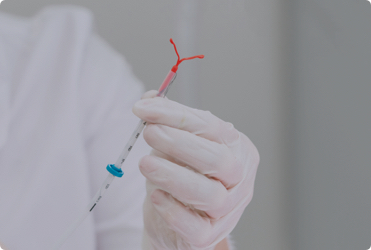
At Rosh Maternal & Fetal Medicine, we present advanced contraceptive options in a welcoming setting so patients can feel confident in their decisions. Our team works closely with each individual to discuss goals, answer questions, and recommend a method that fits their lifestyle.
IUD Insertion: What to Expect
IUD insertion involves placing a small, T-shaped device inside the uterus during a brief office visit. Our providers perform the procedure with gentle technique and attention to comfort. Most appointments are short, and patients can return to normal activities soon after.
Two main types of IUDs are available:
Both options deliver highly effective protection and last for several years, depending on the type selected.
What Is an IUD?
An intrauterine device (IUD) is a small contraceptive device placed inside the uterus to prevent pregnancy. A thin string extends into the vaginal canal so a provider can remove the device when needed.
IUDs rank among the most reliable birth control options available. Many patients choose them because they require little maintenance and provide long-term protection. Once placed, the device works continuously without daily pills or frequent appointments.
Why Choose an IUD?
IUDs present several advantages for patients who want dependable contraception.
IUD Removal
IUD removal takes only a few minutes during a routine office visit. Our providers gently pull the string to remove the device from the uterus. Most patients experience minimal discomfort during removal.
Patients may request removal at any time, especially when they plan for pregnancy or want to switch birth control methods. Fertility usually returns quickly after removal.
Awards and Certifications
Our physicians hold board certifications and maintain affiliations with respected hospitals and professional organizations. These credentials represent years of advanced education, surgical training, and ongoing learning in obstetrics, gynecology, and maternal-fetal medicine.
Patient Testimonials
Patient feedback reflects the experience we strive to deliver at every visit. Many individuals describe attentive consultations, respectful communication, and comfortable procedures.
These testimonials show how our approach helps patients feel heard, informed, and confident in their reproductive health decisions.
Schedule Your IUD Insertion Appointment
Reliable birth control can simplify daily life and support long-term health goals. At Rosh Maternal & Fetal Medicine, our team offers expert guidance and gentle procedures so patients can move forward with confidence.
The intrauterine device (IUD) is the most effective form of birth control. It’s just as effective as permanent sterilization (nearly 100%) yet completely reversible.
After IUD placement into your uterus, it can stay there for three to 10 years, depending on the type of IUD. During that time, you have safe, reliable, and continuous protection from pregnancy.
There are two basic types of IUDs: hormone-containing and nonhormonal. and both are equally effective. Several brands are currently on the market; one slowly releases copper into the uterus, and the others gradually release hormones.
The IUDs that contain hormones are safe for long-term use, because they release a tiny amount of hormone. They can also be used by women who can’t take estrogen, because they contain progestin.
Both types prevent sperm from passing through the uterus and into the fallopian tubes, which blocks fertilization of the egg. The action of copper and progestin further increases effectiveness by impairing sperm function.
Copper inhibits the ability of sperm to move, essentially acting like a spermicide. Progestin thickens mucus in the cervix, which traps sperm and stops them from entering the uterus.
The copper IUD can remain in place for up to 10 years. Some hormone-containing IUDs last three years, while others release enough hormone to work for five years before replacement is needed.
Before IUD placement, the length of your uterus and cervix is measured. Then, the IUD and its attached thread are loaded inside a long, narrow tube (the insertion device), which is set to the same length as your cervix and uterus.
After inserting the tube through your cervix and into the uterus, your doctor releases the IUD and removes the insertion tube, leaving just enough thread outside your cervix that you can feel the end of the string.
You’ll need to return for one follow-up exam to confirm the IUD is in place. Otherwise, you simply check for the string each month and return for your annual pelvic exam.
An IUD starts working to prevent pregnancy as soon as it is inserted. You can have it removed at any time through a quick and simple procedure, and pregnancy may occur soon after it is taken out.
We work to minimize complications and help you achieve the healthiest pregnancy possible.
