5 Most Popular Birth Control Options
Published on 07/29/26
Quick SummaryChoosing a birth control method involves more than preventing pregnancy. Different birth control options vary in effectiveness, convenience, possible side effects, and long-term family planning goals. Understanding how each method works helps patients make informed decisions alongside their healthcare provider. A medical consultation takes health history, lifestyle, and future pregnancy plans into account before recommending contraception. |
Birth control affects many aspects of reproductive health, including pregnancy planning, menstrual cycles, and personal lifestyle.
Learning about available birth control options helps patients compare methods before choosing one that fits their individual needs. Age, medical history, convenience, and future family goals all influence this decision.
Some people want long-term contraception with little maintenance, while others prefer a method they can stop at any time. Understanding the differences makes conversations with a healthcare provider more meaningful.
Birth Control Pills
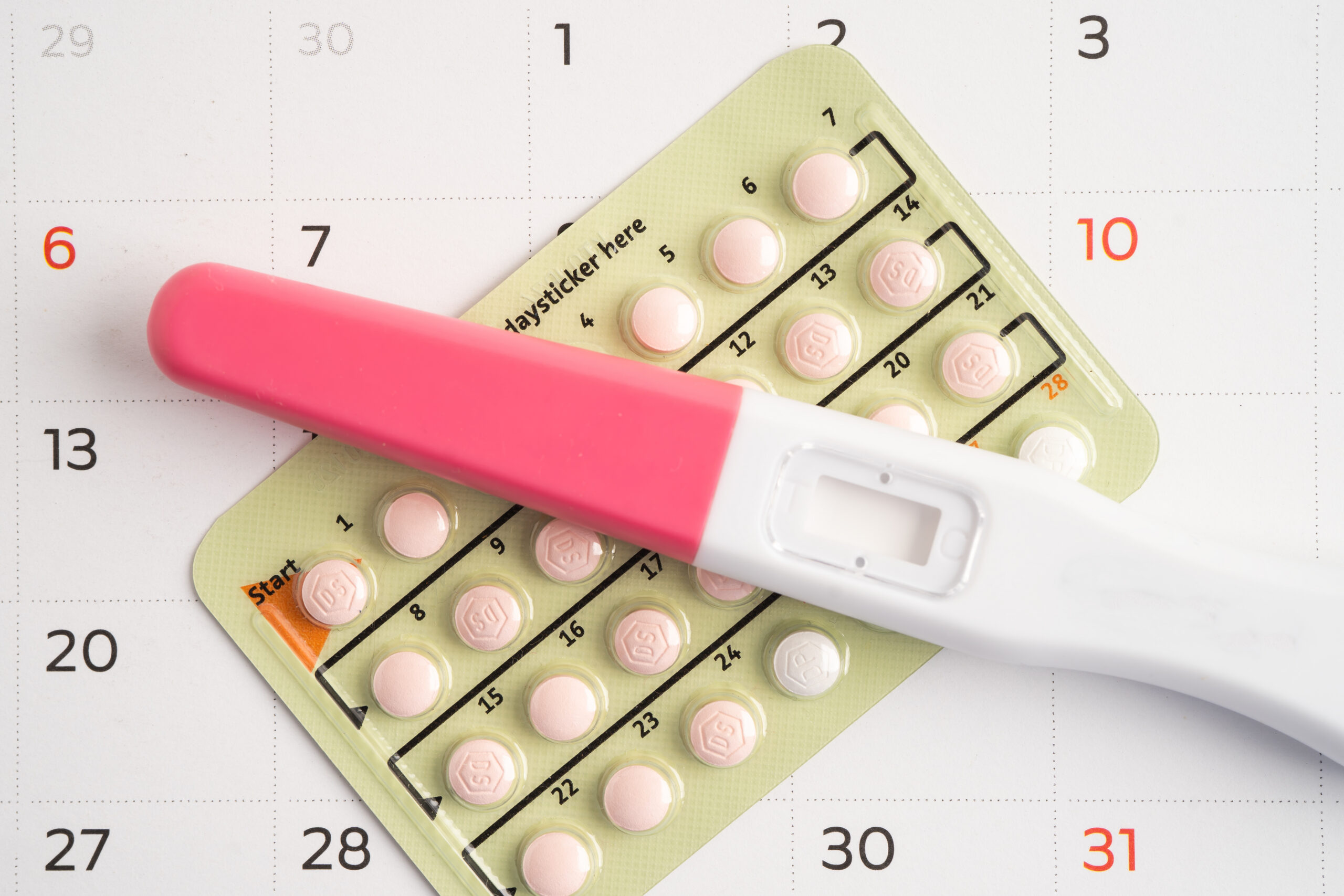
Birth control pills are one of the most commonly used contraceptive methods. They contain either a combination of estrogen and progestin or progestin alone. These medications prevent pregnancy by suppressing ovulation while also changing cervical mucus and the uterine lining.
Birth control pills may also help regulate menstrual cycles, reduce heavy bleeding, and relieve menstrual cramps. Since they must be taken every day, missed doses can reduce effectiveness and increase the likelihood of breakthrough bleeding.
Intrauterine Devices (IUDs)
Intrauterine devices (IUDs) are long-acting contraceptives placed inside the uterus by a healthcare professional. Hormonal and copper IUDs prevent pregnancy for several years while requiring very little maintenance. Fertility generally returns after the device is removed.
A medical evaluation helps determine whether an IUD is an appropriate choice based on a patient’s medical history, reproductive goals, and overall health.
Birth Control Implants
Birth control implants are long-acting contraceptives inserted beneath the skin of the upper arm. They release progestin to prevent pregnancy for several years without requiring daily attention. Menstrual changes vary from patient to patient, so follow-up appointments can address questions and any side effects after placement.
Patients considering long-term contraception often benefit from discussing available choices with an OBGYN specialist. Medical history, medications, pregnancy goals, and menstrual concerns all influence the most appropriate recommendation.
Barrier Birth Control Methods
Barrier contraception prevents sperm from reaching the egg instead of altering hormone levels. Common examples include external condoms, internal condoms, diaphragms, and cervical caps.
Condoms remain the only birth control method that also reduces the risk of many sexually transmitted infections. This added protection makes them an important part of reproductive healthcare for many patients.
Barrier methods must be used correctly during every sexual encounter. Their effectiveness depends heavily on consistent and proper use each time. Unlike hormonal contraception, barrier methods do not affect the body’s natural hormone production or menstrual cycles.
Birth Control Injections
Birth control injections are another hormonal contraceptive option for patients who prefer not to take a daily pill. The injection contains progestin and is typically administered every three months.
The medication prevents ovulation and thickens cervical mucus to reduce the likelihood of pregnancy. Many patients appreciate the convenience of receiving contraception only a few times each year.
Some people experience changes in their menstrual cycles, including lighter or irregular periods. A healthcare provider can explain possible side effects and discuss whether this method fits an individual’s health needs.
Choosing the Right Birth Control Option
No birth control method works best for everyone. The right choice depends on several personal and medical factors rather than convenience alone.
When discussing contraception, physicians often consider:
- Current health conditions
- Prescription medications
- Future pregnancy plans
- Menstrual symptoms
- Lifestyle and daily routine
- Personal preferences
- Protection against sexually transmitted infections
A thoughtful discussion helps patients compare effectiveness, possible side effects, and long-term family planning goals. Understanding these factors makes it easier to select a method that fits both current and future needs.
Finding a Birth Control Plan That Fits Your Goals
The most popular birth control methods each offer different benefits, limitations, and levels of convenience. Choosing among them involves more than pregnancy prevention because personal health, lifestyle, and future family plans all play a role.
At Rosh Maternal & Fetal Medicine, we take time to understand your medical history, reproductive goals, and personal preferences before discussing contraception.
If you are ready to explore your birth control options, visit our Contact Us page to schedule an appointment and discuss the approach that fits your needs.
FAQs
Which birth control option is the most effective?
Long-acting reversible contraceptives, including intrauterine devices (IUDs) and implants, have some of the highest effectiveness rates because they do not require daily use. The most appropriate option still depends on your medical history, reproductive goals, and personal preferences.
Can I change my birth control method later?
Yes. Many patients switch birth control methods because of side effects, lifestyle changes, or future pregnancy plans. A healthcare provider can recommend the safest time to transition while maintaining pregnancy protection.
Which birth control methods protect against sexually transmitted infections?
External and internal condoms are the primary birth control methods that also reduce the risk of many sexually transmitted infections. Hormonal methods, IUDs, implants, and injections prevent pregnancy but do not protect against STIs.
Disclaimer: This article is for general informational purposes only and is not medical advice. Patients should contact their healthcare provider before making any health decisions.