Services
we offer.
- Abdominal Pain Specialist in New York, NY – Rosh MFM
- Baby Birth Delivery
- Cancer Screening Services in New York, NY – Rosh MFM
- Complete Obstetric Care
- COVID Testing for Pregnancy in New York, NY
- Family Planning and Birth Control in New York, NY
- Fibroid Care & Treatment Specialists in New York, NY
- Gynecologic Care in New York, NY
- High Risk Pregnancy Doctor in New York, NY
- Irregular and Heavy Periods Doctor in New York, NY
- IUD Insertion Specialist in New York, NY
- Ovarian Cysts Doctor in New York, NY
- Pap Smear Specialist in New York, NY
- Pelvic Pain / Inflammation Specialist in New York, NY
- Pregnancy Care Doctor in New York, NY – Rosh MFM
- Pregnancy Ultrasound Services in New York, NY – Rosh MFM
- Prenatal Care Doctor in New York, NY – Rosh MFM
- Recurrent Pregnancy Loss Specialist in New York, NY
- Robotic Surgery Specialist in New York, NY
Get to know us.
Our team of doctors at Rosh Maternal & Fetal Medicine are dedicated to providing the most current technology.
We perform robotic surgery, as well as standard minimally-invasive procedures, and we offer advanced 3D and 4D ultrasound. Our team includes a certified genetic counselor and physicians specializing in recurrent pregnancy loss, preterm labor, multiples, fertility, and urogynecologic issues such as pelvic organ prolapse and urinary incontinence.
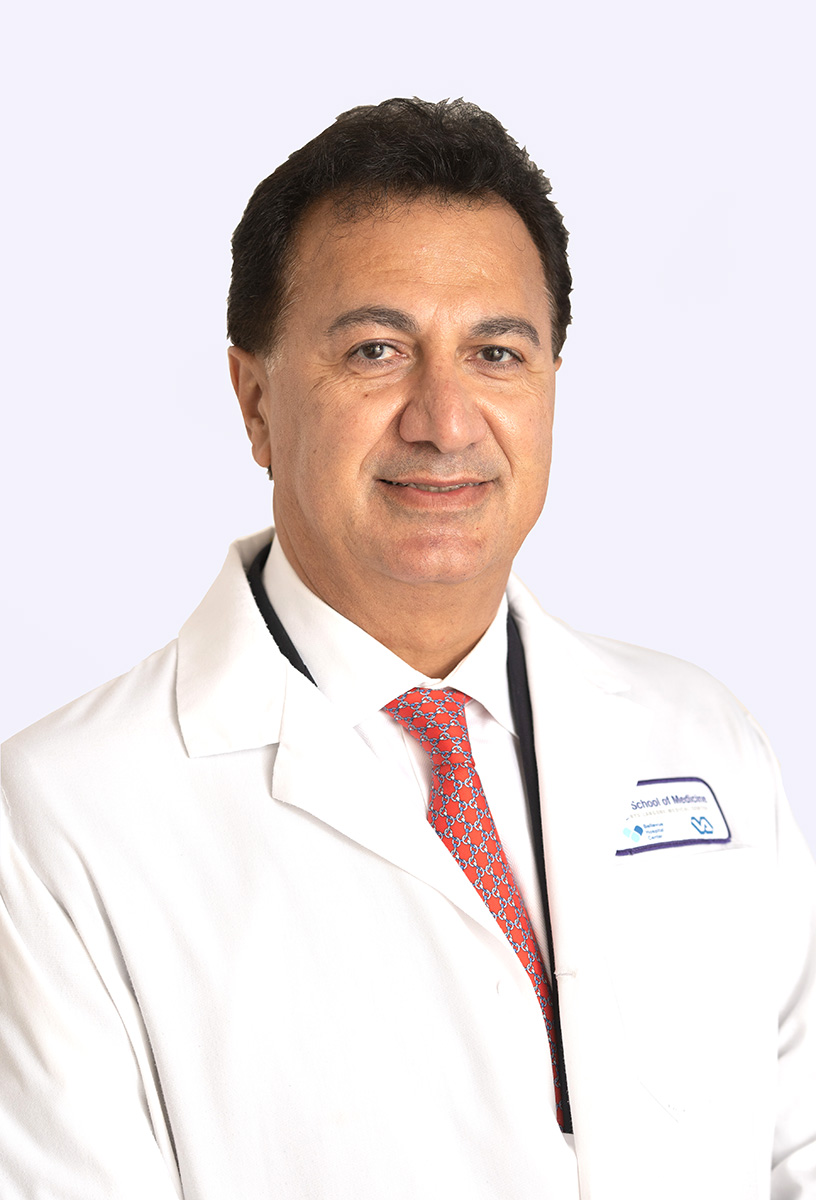
Daniel Roshan, MD, FACOG, FACS
OB/GYN
Daniel F. Roshan, MD, FACOG, FACS, specializes in maternal-fetal medicine, demonstrating an expertise in high-risk pregnancies that’s well known in New York City and beyond, as women needing chorionic villus sampling are referred to him from across the country.

"I can’t express how grateful I am for the professionalism and the outstanding patient centered care that NYU boasts itself on. The office has an incredible energy. Dr Nontawan Benja far exceeded my expectations, intelligent with the most up to date recommendations, nonjudgmental, and just an indescribable disposition. I will be forever grateful."
— OBGYN Review From Angela T.
"Dr. Abrahams was very direct in his recommendation in a compassionate way."
— OBGYN Review From Chaya W.
"Very attentive, happy with my experience."
— OBGYN Review From Rosemary S.
"Everything was explained in detail to me and the office staff were very personable. A potentially nerve wracking experience was completely alleviated due to their professionalism."
— OBGYN Review From Monika W.
"Excellent patient care. Quick service. Supportive atmosphere."
— OBGYN Review From Kim T.
"Good environment and great service."
— OBGYN Review From Maria M.
"I enjoyed my visit. The staff was professional friendly and answered all my questions i had without me answering."
— OBGYN Review From Deasia J.
" I truly loved my visit to Rosh yesterday. The front desk staff were swift and efficient, and my appt was right on time. The doctor was kind, took her time with me, was caring. and funny to boot. I will definitely be making all of my subsequent OB-GYN appts here!"
— OBGYN Review From Sabina M.
"Dr. Villanueva was very thorough during my visit. She asked lots of questions to understand my history in order to get the right treatment for me. I wasn’t rushed at all and had plenty of time to ask all my questions."
— OBGYN Review From Shari H.
"Exceptional doctor!"
— OBGYN Review From Alketa B.
We specialize in high-risk pregnancy.
We work to minimize complications and help you achieve the healthiest pregnancy possible.

We’re here for you.
How Does Advanced Ultrasound Technology Improved Patient Outcomes?
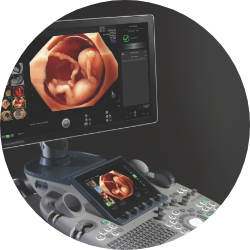
Advanced Ultrasound Technology
...
Read More

Can You Drink Wine While Pregnant?

The Sobering Truth: The Impact of Alcohol on Pregnant Women and Their Unborn Babies
...
Read More
Over The Counter Birth Control: Easier Access, but Right Choices?

Is over-the-counter BC the right form of contraception for you?
...
Read More